Whooping Doesn’t Always Equal Cheering

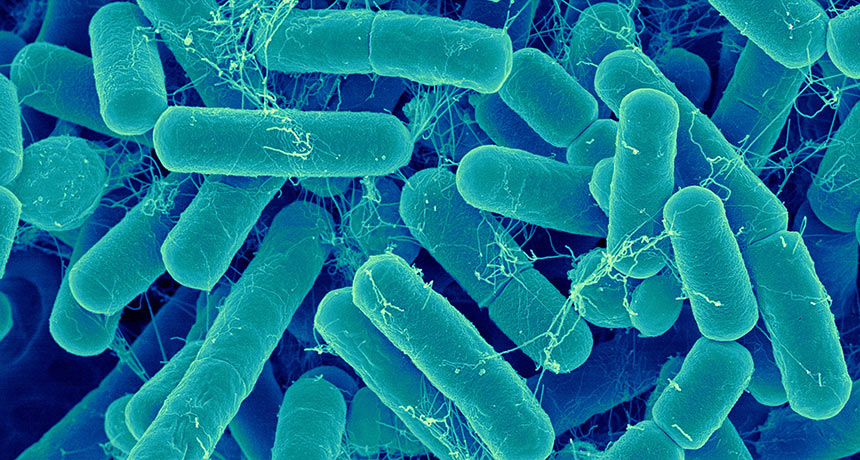
Just hearing the term Whooping Cough makes you picture a person doubled over hacking up a lung in obvious distress. I’ve had a cough the past month or so and I can’t even begin to imagine how much worse this would be. The more scientific name for whooping cough is pertussis and the even more scientific name is Bordetella pertussis. We’re going to be discussing what type of Pertussis vaccines there are and how they work. Again, and I can’t stress this enough, VACCINATE, PEOPLE!!

In simplified terms, Whooping Cough is caused by Gram-negative bacteria that make you cough uncontrollably for 2-3 months. You can get this infection when someone coughs or sneezes near or on you and they have the infection (p.s. if you know you have Whooping Cough, please don’t go out in public). The most common vaccine is the aP, or acellular Pertussis vaccine. This vaccine injects antigens into the body to trigger an immune response. Although this has thought to have been the best defense for the disease in the past few decades, Whooping Cough has yet to be eradicated. Therefore, we have known about this disease for a while now, but we (and by we I mean the great scientists that understand how to do all this stuff, not me) have yet to develop a truly effective way of preventing this disease. There is a newer alternative to the aP vaccine, though, and it’s looking to be more promising.

A Swedish Study conducted an experiment using the BPZE1 vaccine and compared its results to the aP vaccine. The BPZE1 vaccine is a live attenuated vaccine, meaning the bacteria within the vaccine are alive but are weakened to where they cannot cause disease. The vaccine experiment showed immune cells that developed specifically for the treatment of Pertussis. Not only this, but the antibodies produced covered a broader range of Pertussis-specific antibodies that allow the body to attack from several angles. Therefore, we may be getting closer and closer to a truly effective Pertussis vaccine.

Polio Vaccines!!!!

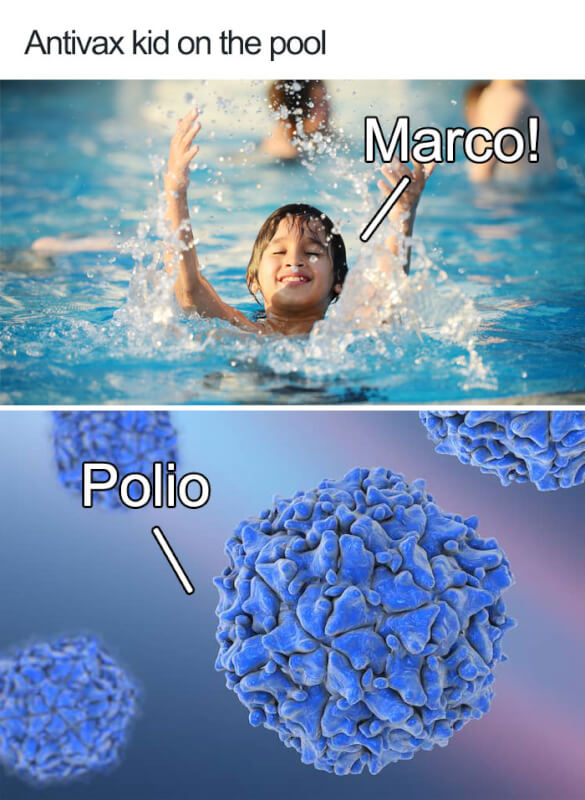
So you’ve heard me talk before about how IMPORTANT it is to be vaccinated and to vaccinate your children. I know everyone hears about these vaccines and what the doctors tell them in regards to their health. However, not everyone knows just what makes up these injections. Our main focus for vaccines today is Polio. We’ll be discussing the two types of vaccinations and what current events have led to this discussion

Way back when, when smallpox was becoming a pandemic, two different vaccines were created that eventually almost cured the world. There were two types of polio vaccines established: OPV and IPV. OPV or Oral Polio Vaccine was a live vaccine in which an active strain of Polio was cultured and maintained for use as a vaccine. The other, Inactivated Polio Vaccine (IPV) used a form of formaldehyde to inactivate several strains of polio. The use of these were going pretty well until the past few years, causing a necessary change to happen.

OPV has done amazingly well with providing preventative control of polio; however, it has one flaw. The strain that we attempt to use in vaccines mutates at an alarming rate due to a surplus of errors in what us the microbiology classroom call RNA dependent RNA polymerase (RDRP). Because of the mutations, a new virus is developing called Vaccine Derived Poliovirus (VDPV). This basically means that the virus is able to regain the power to infect cells and spread this virus in our bodies. But remember what I said before, vaccines are IMPORTANT. Steps are being taken to fix this problem. The world is slowly pulling back on the use of OPV and will hopefully transfer to complete vaccination using IPV by 2024. The number of vaccinated people will help this happen, as the shift must be delicate in order to prevent a spark in another outbreak. So, keep on vaccinating and saving lives.

Those germs might actually be good!

You hear the word germs and you probably automatically think about those bacteria on your hands that give you diseases and what not. To an extent your fears are right. However, trillions of microbes live inside your body and help it function more efficiently. Life would actually be extremely difficult if we didn’t have them. You should be less worried about having those bacteria and more worried about what would happen if their balance was disrupted. Today we’ll look a two different studies that show what could happen when these microbes aren’t functioning right.

There are plenty of foods that help build up the good bacteria found in your gut that help with digestion and extracting nutrients for the body to use. A study conducted by Christina Tsigalou, et al. shows that eating too much of those foods might actually be bad for your microbiome. Probiotics are the rage in health benefits, claiming to help improve your microbiome. Although this may be true, too much probiotics alter your microbiome in a way that can hurt you later on. A section of your gut microbiome consists of microbes that make up your resistome. This section builds resistance to antibiotics, which will not come in handy when you come down with an illness and your medicine doesn’t work. Long story short, probiotics are good, just not in excess.

Another study conducted by Weibing Tang, et al. talks about a potentially fatal disease that occurs when you’re not born with the proper gut microbiome. The colon has a plethora of bacteria that aid in digestion. Some people may be born without some of these necessary microbes, leading to Hirschsprung disease. This disruption of the colon can lead to fatal enterocolitis, which is the inflammation of the liver. Although this is not something that you might be able to control once it happens, it is important to know just how vital all the microbiota inside you are.

*Cough Cough*… Uh oh

If you haven’t heard by now, the Flu is going around a lot faster than the Coronavirus… not that you shouldn’t be scared about that too. I, for one, have had flu-like symptoms for the past week, but have been too busy being studious to make sure its nothing worse than a cold. This week I’ll discuss the impending doom that well all must face when catching Influenza. We’ll cover the basics and why it’s such a big deal right now. We’ll also get into the Influenza vaccine and how effective it is and if it’s really worth getting (if you haven’t already).

By now, we all pretty much know the run down of flu symptoms: cough, congestion, fatigue, sore throat, aches and pains, the whole nine yards. One thing that is harder to distinguish, is that most of those symptoms match those of the common cold. How do we tell the difference? According to the CDC, it can be hard to differentiate, even by healthcare providers, if not caught early. The most obvious difference, is that the symptoms happen at a significantly faster rate, and are more intense than those of the flu. While you might feel slightly achey with a cold, the flu might hit you more like a train. In order to find out for sure, you have to visit your healthcare provider and enjoy a lovely stick being shoved up your nose :).

On a more serious note, I mentioned before that Influenza is hard to detect even by healthcare workers. There are several tests that can be preformed, although they can’t always be all that reliable unless you’re already admitted to the hospital. The first, simpler approach are RIDTs (or Rapid Influenza Diagnostic Tests). These tests only take a few minutes and test your immune response. Another fast approach are Rapid Molecular Assays that test the genetic material found in the virus.

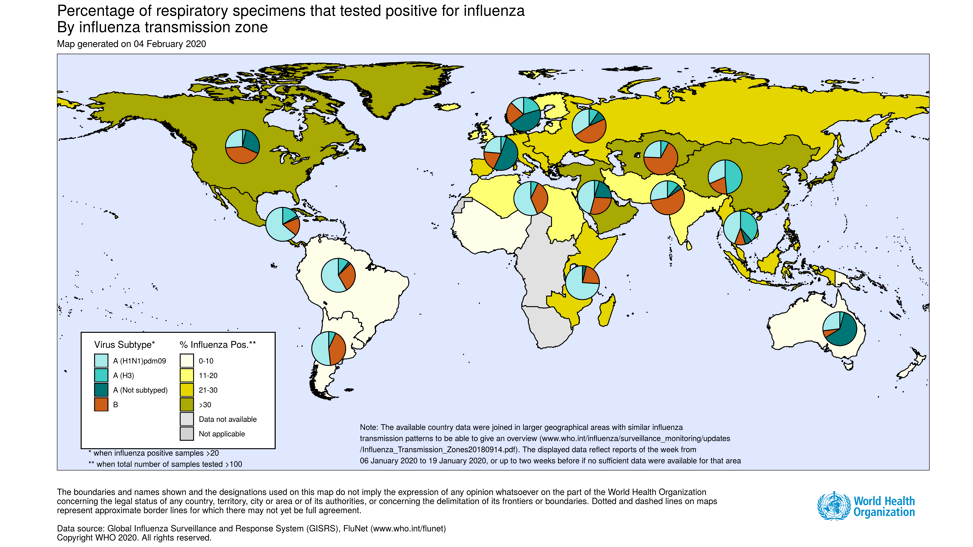
Now for the scary stuff. You may have been able to avoid the flu your whole life (I have until maybe this year?), or you have suffered it before, but it’s pretty common if you do get it, or if you think you won’t, just check these numbers. According to WHO, more than 30% of the US population testing positive for Influenza. Escaping to Europe probably isn’t a good idea right now, but as long as there isn’t a risk of Coronavirus in South America or Australia, a warm vacation sound pretty good right now; these countries have only 0-10% of their population affected. These numbers are growing rapidly too. The CDC provides an awesome interactive timeline graphic that shows just how much the virus has spread this winter. I linked it for your enjoyment, or fright, take your pick.

There is a way to help prevent this horrible, horrible virus- kind of at least. I bet you guessed it– the flu shot! All the drug stores and pharmacies are pushing it, providing free shots and, at least in my case, are giving away money for getting it! I mean, who doesn’t love a $5 voucher to Target? I, personally, have never been a fan of the flu shot because I didn’t think it would really help my chances (right now I’m kind of proving myself right). This year I got it so that I could volunteer at the nearby children’s hospital, breaking my normal routine, but it was so worth it for the smiling kids. Back to it, there are several strains that occur each year, the two most prominent being type A and B. The flu vaccine attempts to prevent both strains, although each year it is a guesstimate and is not always effective. Consulting our good old friend, the CDC, again, the vaccine has been measured to reduce the risk of contracting the virus by 40-60%. Therefore, odds seem to be in your favor. At the end of the day, it is a personal choice to get the flu, but in my undergraduate, barely basic knowledge of some kind of microbiology, personal opinion, if you’re not allergic to eggs, go ahead and get the flu shot so that your immune system can be slightly prepared before the likely contact with an infected person. Oh yeah, if you’re allergic to eggs, you’re allergic to the flu shot, so you might be kind of screwed there.

Coronavirus- A Lot Scarier than Sipping a Beer

Everything in the US come from China, so why is the Coronavirus any different?

What even is a Coronavirus? Something that sounds like a relaxing beer on a summer day can’t possibly be that bad. Unfortunately, this new virus is much much worse. Coronavirus incorporates a large family of viruses that fit under specified factors. The virus is a zoonosis, meaning that a variety of animals can have to disease, carry it, and infect others with it through respiratory transmission. The virus causes similar diseases, although some may be more severe and even deadly, if given the right strand. Normally, cold, flu, or pneumonia-like symptoms occur. The upper respiratory tract, as well as the gastrointestinal tract, and nervous system are targets of this virus. And if you’re not already scared enough, the virus is currently active and seeking hosts in China, the US, and other countries.

In December of 2019, an outbreak of Coronavirus occurred in Wuhan, China. As of February 1st, thousands of people have been infected. The novel Coronavirus is labelled 2019-nCoV. The origin of the disease was traced to a fish market in China, in which the host most likely received the virus from animal-to-person contact. That one infected person began to spread the virus, and person-to-person contact has infected thousands with a miserable, and possibly fatal, disease. And just in case you thought you were safe because you don’t live in China…

In January of 2020, a person traveling back to the United States had been infected with Coronavirus. The case took place in Illinois. Although the virus was contained immediately, the infected individual passed the disease on to at least one other person through person-to-person contact. At this time (February 1st, 2020), the virus has been contained. Although the CDC has put this disease on red alert, the likelihood of the virus spreading in the US is very unlikely. So, for now, you are safe (all my fellow Americans).

The Controversy of Vaccination

Andrew Wakefield is perhaps one of the most renowned (former)-epidemiologists, known for his 1998 study linking the MMR vaccine to autism. After the original release of Wakefield’s study, co-authored with 11 of his colleagues, the world faced an extremely controversial decision on whether or not to vaccinate their children, and health concerns rose rapidly. To some, Wakefield’s conclusion still rings true, as parents still have fear instilled within them about their children’s health. Doctors and nurses become frustrated, because although the study was retracted, families are still hesitant of vaccination. The rest of this post will be addressing the study, relatively current events, and the response of MMR infections and vaccinations world wide.

So here’s the breakdown of what happened: Wakefield, and 11 of his colleagues, tested children diagnosed with autism to determine if their disorder was caused by vaccines. The study consisted of 12 patients between ages 3 and 10, all of whom were said to be on the spectrum. The children were the past 12 patients to admitted to the gastroenterology unit in the UK, making convenient appearances to investigate his findings. His results deduced that the MMR vaccine was linked to the development of autism, and thus it would be ill-advised to push vaccinating children.

In short, Wakefield’s results were not perceived well. According to the US National Library of Medicine, the retaliation was almost immediate. Epidemiologists rushed to reevaluate Wakefield’s work, determined to prove him wrong. Unsurprisingly, they were victorious. Although both autism and measles, mumps, or rubella all usually occur during early childhood, there is not a definitive linkage between them. Many convenience factors played into Wakefield’s conclusion, and a point was exposed after the retraction that made it obvious as to why the study was so skewed. Parents of children with autism were battling lawsuits with companies that produce vaccines. The lawyers of these parents were the ones that funded Wakefield’s research, giving him financial bias. So, as Wakefield is falsifying medical experiments for money, the rest of the world goes to controversy about vaccination.

An expecting mother, or a mother already, watching the news hears breaking news update that a medical experiment has concluded that vaccinated your child will have detrimental effects on their health. The fear the Wakefield instilled in people all over the globe was enormous. After the release of the paper, vaccination rates dropped significantly. In the UK, where the experiment took place, the vaccination rate was down to 83% in 2002, when the WHO’s recommended level is 95% for effective herd immunity. The UK’s decline was most detrimental, but it was not only the UK’s problem. With the amount of travel activity that takes place in the world today, countries are scared that an infected individual will bring the disease into the country. Epidemics are a great deal more likely to happen when there are less immunized people. Wakefield’s work has uprooted the ideas that medical professionals have instilled in their patients for decades, that vaccination will increase immunity to harmful diseases. Vaccinating children is the most effective way to prevent outbreaks of diseases in which some can never be cured!!

Landyn’s First Blog Post

Hi!

My name is Landyn Gray. I am a 2nd year at UNC at Chapel Hill. I am a pre-nursing major with a tentative minor in anthropology. I created this blog to discuss different topics related to Medical Microbiology. Throughout the next 10 weeks, I will discuss topics and news related to Microbiology and current events in the field.

Enjoy!